
The Conduct of an Audit in Accordance with International Standards on Auditing

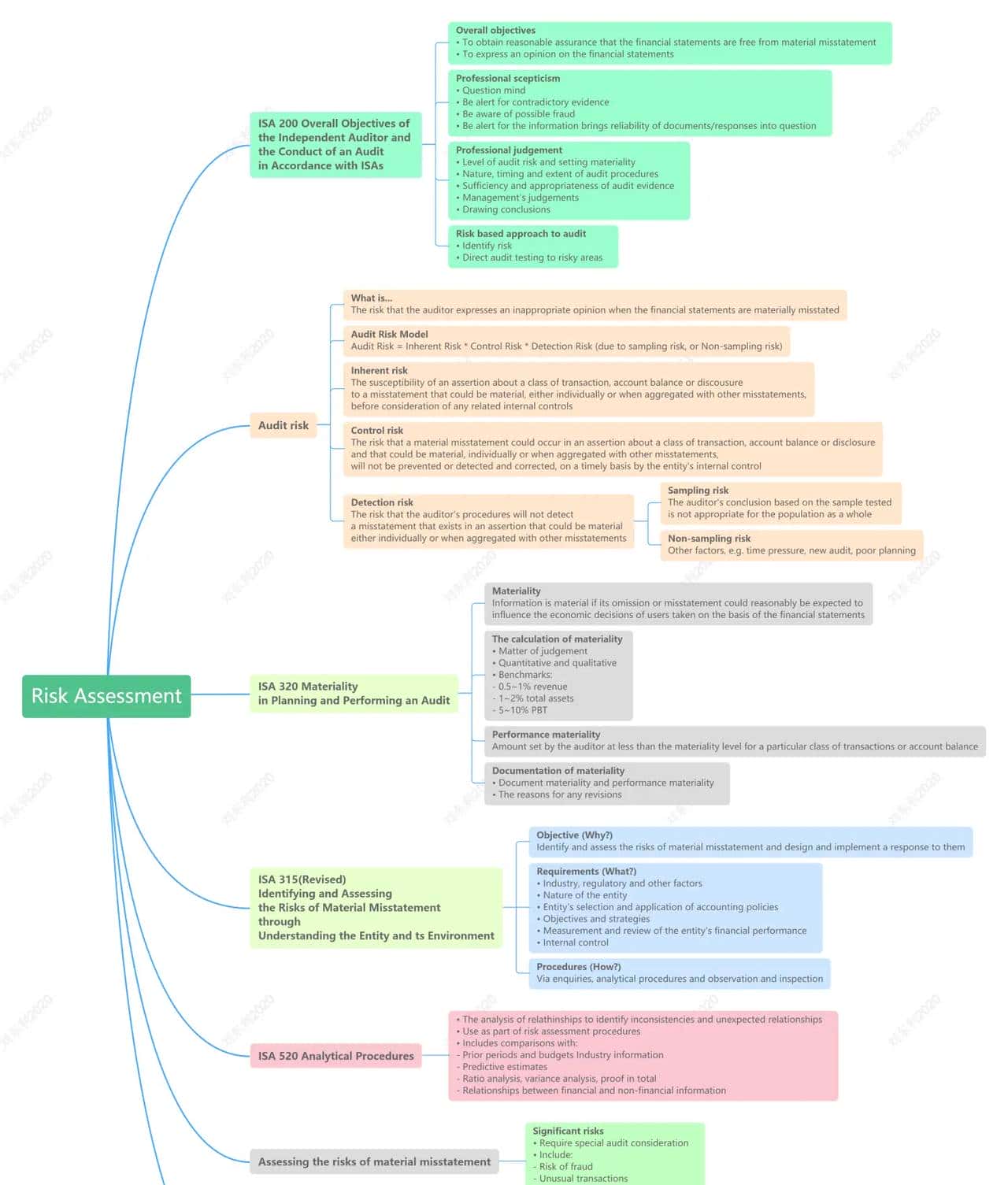
Auditors must ensure that they plan their audits in order to identify audit risk. The first step in planning is making sure that you understand the entity you are auditing. There is a phrase which says “you can t audit it when you don t understand” and this is very true. Auditors must understand the products and services their client supplies and the markets in which it operates as well as the key personnel.
If auditors know what they expect, their clients financial statements to look like it is much easier to recognize when they do not look like that and therefore spot audit risks. For example, if the auditor knows that a client has expanded during the year and financed this expansion by taking out a long term loan, then the auditor would expect to see a non current liability in the statement of financial position. If this is not included, this indicates that there may be an error in the financial statements.
Audit risk is the risk that the auditor gives the wrong opinion on the financial statements, for example, they say the financial statements are true and fair when they are not! Auditors adopt a risk-based approach to auditing, in other words, they decide on what level of overall audit risk they are willing to accept and then ensure that they perform enough audit testing to ensure that this level is met. If they get their assessment wrong at the planning stage, it could mean that the auditor is not carried out correctly.
Another planning consideration is the materiality, which assesses how important auditors think something is in relation to the financial statements that they are auditing. Auditors will focus on the areas that are material, so it is very important that they set materiality at an appropriate level.
© 版权声明
文章版权归作者所有,未经允许请勿转载。
相关文章


暂无评论...