
1. France [frɑːns] 法国
– 记忆方法:法国有著名的埃菲尔铁塔。France has the famous Eiffel Tower.
2. repeated [rɪˈpiːtɪd] 重复;复述(repeat的过去式和过去分词)
– 记忆方法:他重复了一遍自己的问题。He repeated his question.
3. column [ˈkɒləm] 柱;圆柱;(报纸等的)专栏
– 记忆方法:古希腊建筑有许多美丽的柱子。There are many beautiful columns in ancient Greek buildings. 我喜爱读报纸上的这个专栏。I like reading this column in the newspaper.
4. western [ˈwestən] 西方的;西部的
– 记忆方法:西方国家有着不同的文化。Western countries have different cultures.
5. church [tʃɜːtʃ] 教堂
– 记忆方法:星期天许多人去教堂做礼拜。Many people go to the church on Sundays to worship.
6. sister [ˈsɪstə(r)] 姐妹
– 记忆方法:姐妹之间应该相互协助。Sisters should help each other.
7. oxygen [ˈɒksɪdʒən] 氧气
– 记忆方法:我们需要氧气来呼吸。We need oxygen to breathe. 植物为我们提供氧气。Plants provide us with oxygen.
8. plural [ˈplʊərəl] 复数;复数形式的
– 记忆方法:“Books”是“book”的复数形式。“Books” is the plural form of “book”.
9. various [ˈveəriəs] 各种各样的;不同的
– 记忆方法:超市里有各种各样的商品。There are various goods in the supermarket.
10. agreed [əˈɡriːd] 同意;赞成(agree的过去式和过去分词)
– 记忆方法:我们都同意他的计划。We all agreed with his plan. 他们最终达成了一致。They finally agreed.
11. opposite [ˈɒpəzɪt] 相反的;对面的;对立面
– 记忆方法:我的观点和他的相反。My opinion is opposite to his. 银行在超市的对面。The bank is opposite the supermarket.
12. wrong [rɒŋ] 错误的;不对的;有毛病的
– 记忆方法:你的答案是错误的。Your answer is wrong. 她脸色苍白,我觉得她身体不舒服。She looks pale. I think something is wrong with her.
13. chart [tʃɑːt] 图表;海图
– 记忆方法:我们用图表展示数据。We use a chart to show the data. 航海需要海图。Navigation needs a chart.
14. prepared [prɪˈpeəd] 准备好的;有准备的(prepare的过去式和过去分词)
– 记忆方法:他为考试做好了准备。He was prepared for the exam. 妈妈已经准备好了晚餐。Mom has prepared dinner.
15. pretty [ˈprɪti] 美丽的;相当;很
– 记忆方法:这个女孩很美丽。This girl is pretty. 今天相当冷。It's pretty cold today.
16. solution [səˈluːʃn] 解决办法
– 记忆方法:我们需要找到这个问题的解决办法。We need to find a solution to this problem.
17. fresh [freʃ] 新鲜的;清新的;新近的
– 记忆方法:我喜爱吃新鲜的水果。I like to eat fresh fruits. 这是一个新的想法。This is a fresh idea.
18. shop [ʃɒp] 商店;店铺;购物(过去式和过去分词shopped,目前分词shopping)
– 记忆方法:我家附近有一家商店。There is a shop near my home. 我们去购物吧。Let's go shopping.
19. suffix [ˈsʌfɪks] 后缀
– 记忆方法:“-tion”是一个常见的后缀。“-tion” is a common suffix. 学习后缀可以协助我们更好地理解单词。Learning suffixes can help us understand words better.
20. especially [ɪˈspeʃəli] 尤其;特别
– 记忆方法:我喜爱水果,尤其是苹果。I like fruits, especially apples. 他特别擅长数学。He is especially good at math.
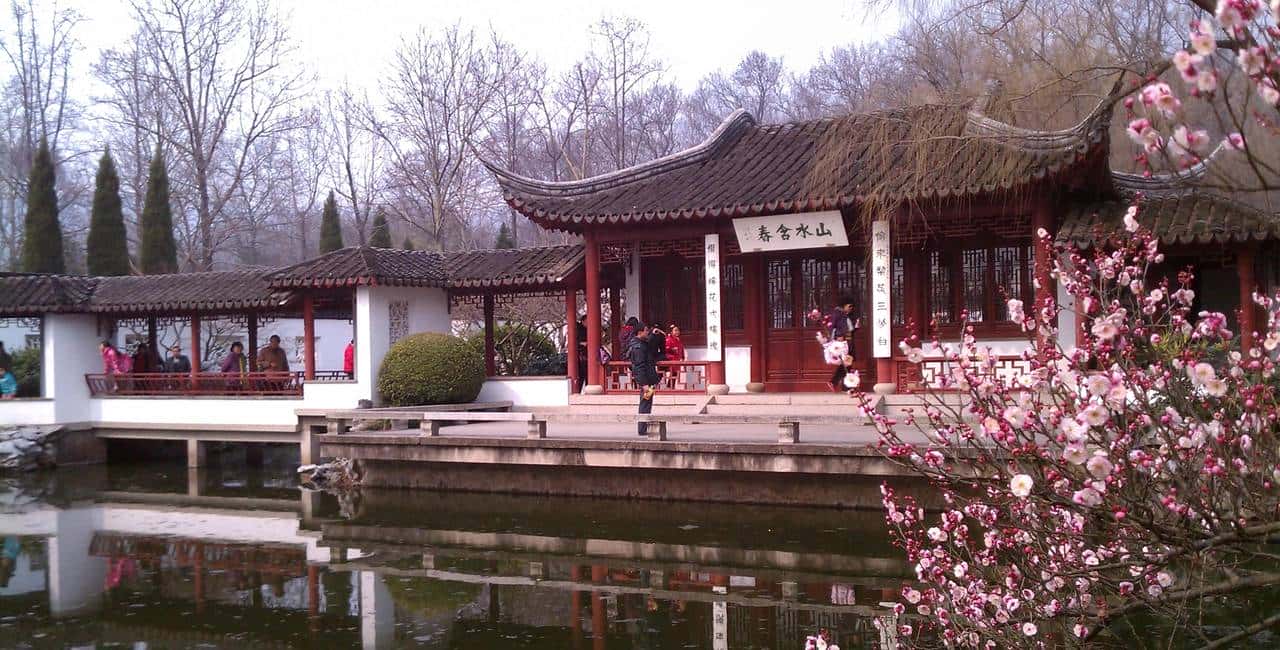


2012.3.10 南京钟山景色区
© 版权声明
文章版权归作者所有,未经允许请勿转载。
相关文章



暂无评论...